
Serene Leaf library
Everything we’ve looked into
Every page answers one question, states what the research actually found, and says so when the answer is no. Sources are named at the foot of each piece.
Sleep
11 articlesWhy you wake, what actually shifts the night, and which habits have a trial behind them.
 SleepBetter sleep naturally: which habits have real evidenceOnly a warm bath at 40–42.5 °C and a caffeine cut-off hold up in trials. For many of the 30.5% sleeping under seven hours, no checklist reaches the cause.
 SleepSleep hygiene mistakes: only two actually have a guidelineStimulus control — out of bed after 20 minutes, bed for sleep only — is the part AASM backs. The snooze button, ranked first, fails its best study.
 SleepHow to fall asleep faster: what the guideline ranks firstGetting out of bed when you're frustrated is stimulus control, a graded AASM recommendation. Paradoxical intention, sold as proven, has insufficient data.
 SleepIdeal bedroom for sleep: darkness beats the thermostatRoom light under 200 lux delayed melatonin onset in 99% of people. Lab sleep showed no difference between 13 °C and 23 °C with normal bedding.
 SleepCaffeine and sleep: the cut-off depends on your dosePooled trials put a 107 mg coffee at 8.8 hours before bed and a 217 mg pre-workout at 13.2. Half-life alone ranges from 2.3 to 9.9 hours between people.
 SleepHow much sleep do you need: seven hours is the floorThe adult recommendation has no upper bound at all — the CDC closes it only at 61 and over. Nobody official names eight as the number to aim for.
 SleepWhy you wake up at 3am: when it's normal, when it isn'tYou run four to six cycles a night and can surface between them. Waking most nights for weeks, gasping, or three bathroom trips is a different signal.
 SleepMenopause and sleep: hot flashes explain only part of itSleep difficulty runs 40–56% through peri- and postmenopause against 31% before it. In recorded sleep, flash-related waking was 27% of total time awake.
 SleepSleep and muscle recovery: what one lost night costs youA single all-nighter dropped protein synthesis 18% in a crossover trial — cortisol up 21%, testosterone down 22%. The reverse has never been measured.
 SleepEvening routines for recovery: only three levers moveA 40–42.5 °C bath one to two hours before bed cut sleep onset by about 10 minutes. The tea and the candle have no recorded effect at all.
 SleepEvening wellness habits: the afternoon ones matter most400 mg of caffeine six hours before bed cost over an hour of sleep nobody noticed. Late exercise did no harm across 23 studies; a later dinner, nothing.
CBD guides
6 articlesWhat the trials measured — including the ones that found nothing.
 CBD guideCBD and sleep: it is not the sedative the label impliesMost studies in one systematic review reported some benefit; 150 mg of pure cannabidiol nightly matched placebo on insomnia severity and time to drop off.
 CBD guideCBN for sleep: the first sleep-lab trial missed its markWake after sleep onset didn't move at 300 mg (−6.3 minutes, p = 0.29). Falling asleep was faster — in 20 people, for one night, at a dose no gummy carries.
 CBD guideCBD vs melatonin for sleep: neither is an insomnia fixAASM advises against melatonin for sleep onset or maintenance, backing timed doses only for circadian disorders. Cannabidiol at 150 mg matched placebo.
 CBD guideHow much CBD to take: no established dose, only rangesSleep trials ran 25 mg to 300 mg an evening; retail labels start near 10–25 mg. The weight-based charts everywhere online have no trial behind them.
 CBD guideCBD for anxiety: one dose worked, two others did not300 mg beat placebo before a public-speaking test, while 100 mg and 900 mg in that same study did nothing. A review of 11 trials couldn't pool the rest.
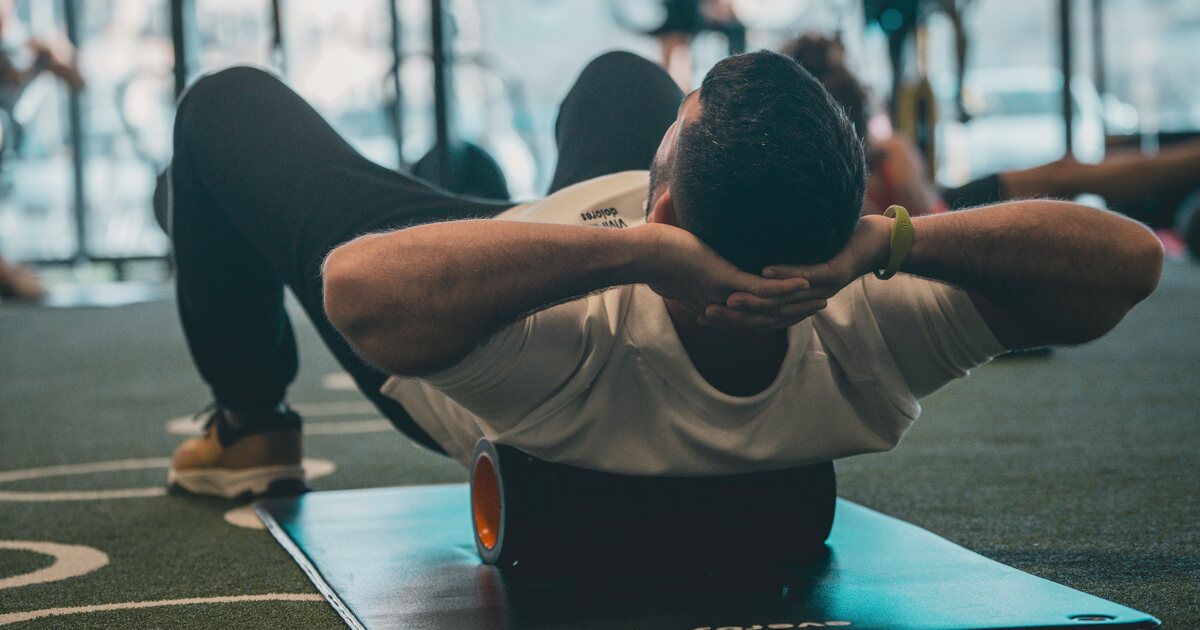 CBD guideCBD for muscle recovery: four trials, three of them nullA single 60 mg dose after squats moved creatine kinase and squat 1RM slightly at 72 hours, and nothing at 24 or 48. Oral and topical both matched placebo.
Movement & recovery
6 articlesDesk pain, stiffness, and the doses that appear in real guidelines.
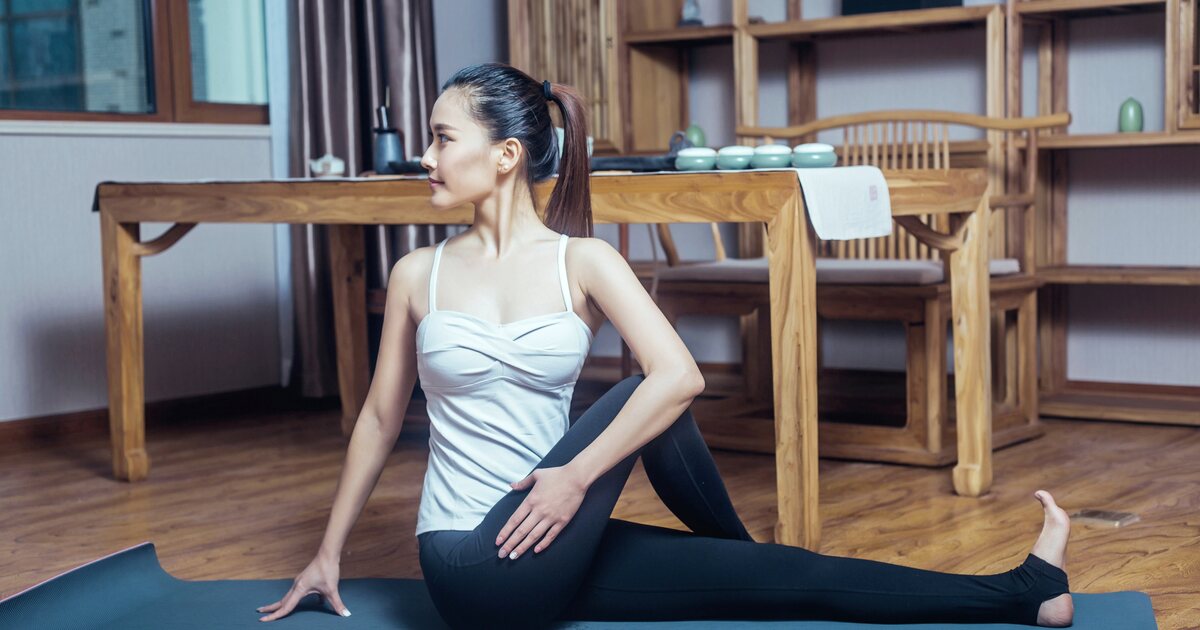 MovementEvening stretching routine: ten minutes, seven movesACSM puts a static hold at 10–30 seconds, 2–4 times — not the 90-second versions online. Of 16 trials in poor sleepers, only 5 found any improvement.
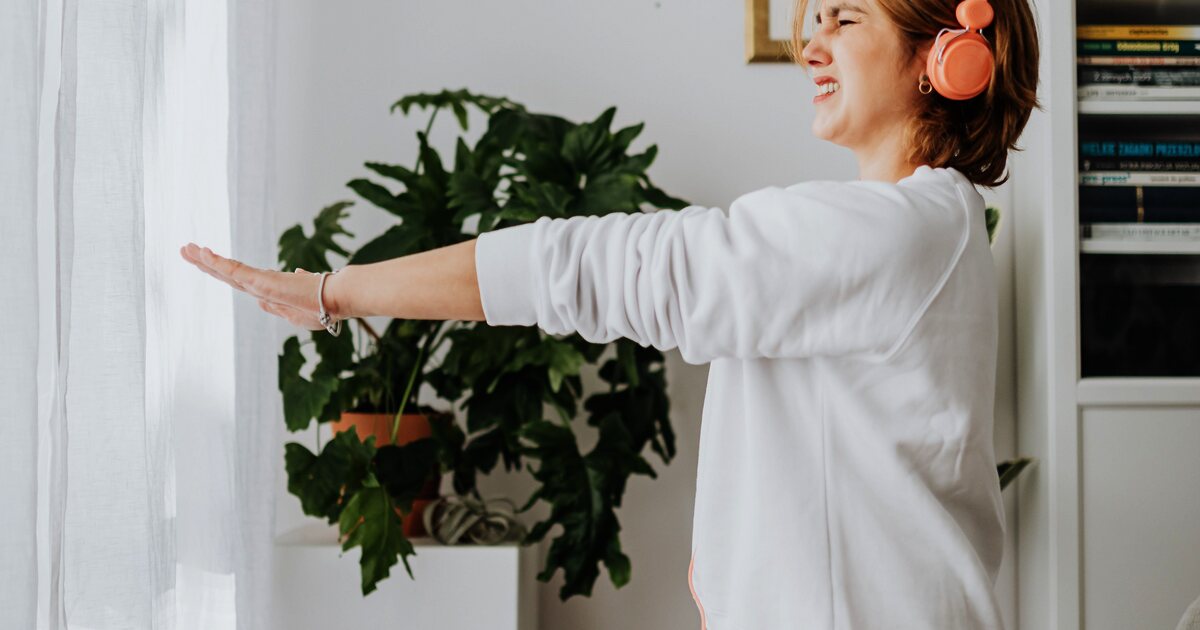 MovementDesk stretches: eight seated moves, and what they won't fixErgonomics guidance puts each hold at 10–20 seconds, three times an hour. A Cochrane review of 2,165 workers found relief only in data-entry staff.
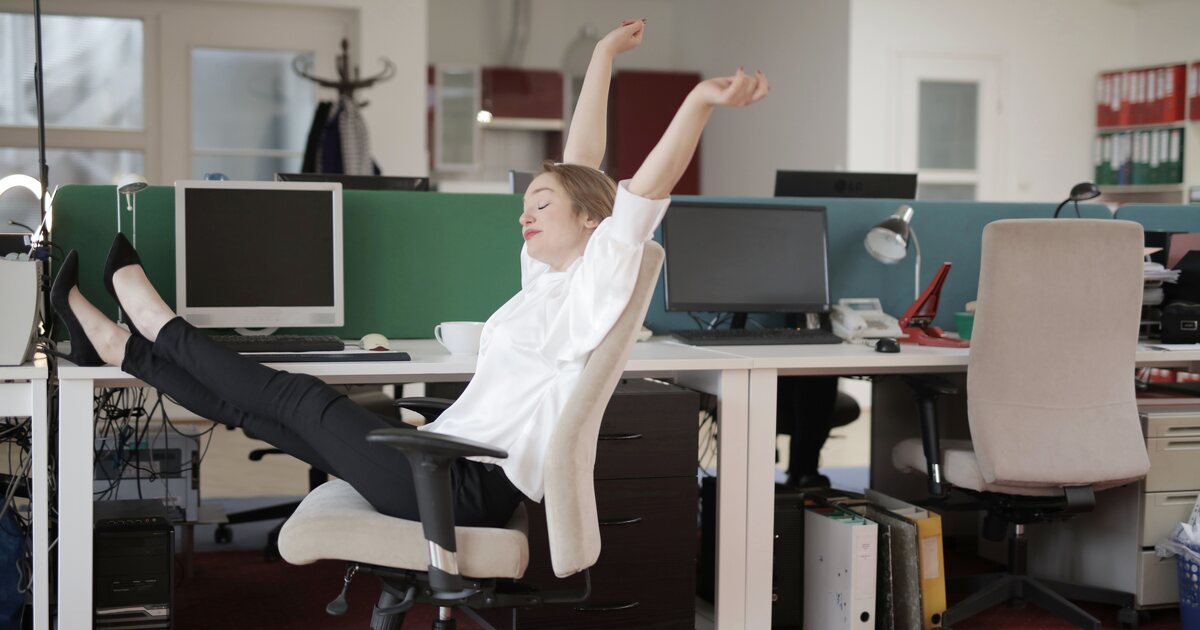 MovementMovement breaks at work: five minutes every half hourWalking beat every break pattern on post-meal glucose (iAUC −11.8, P = 0.017), and all doses cut systolic pressure 4–5 mmHg. Caveat: 11 people, one day.
 MovementMovement and mobility: three things, two official numbersFlexibility is range you have; mobility is range you can produce. Only aerobic and strength work carry targets — 150–300 minutes and two days a week.
 MovementNeck and back pain from sitting: it's not your postureWorkers prompted to take short breaks reported new trouble at 17%, against 44% left alone. Forward head position made no difference in 1,108 teenagers.
 MovementStiffness and soreness with age: it's usually strengthAt 75, force drops 3–4% a year against under 1% of muscle mass. Resistance training moved that by an effect size of 1.57 across 25 trials in older adults.